Tree survey information your project can actually use
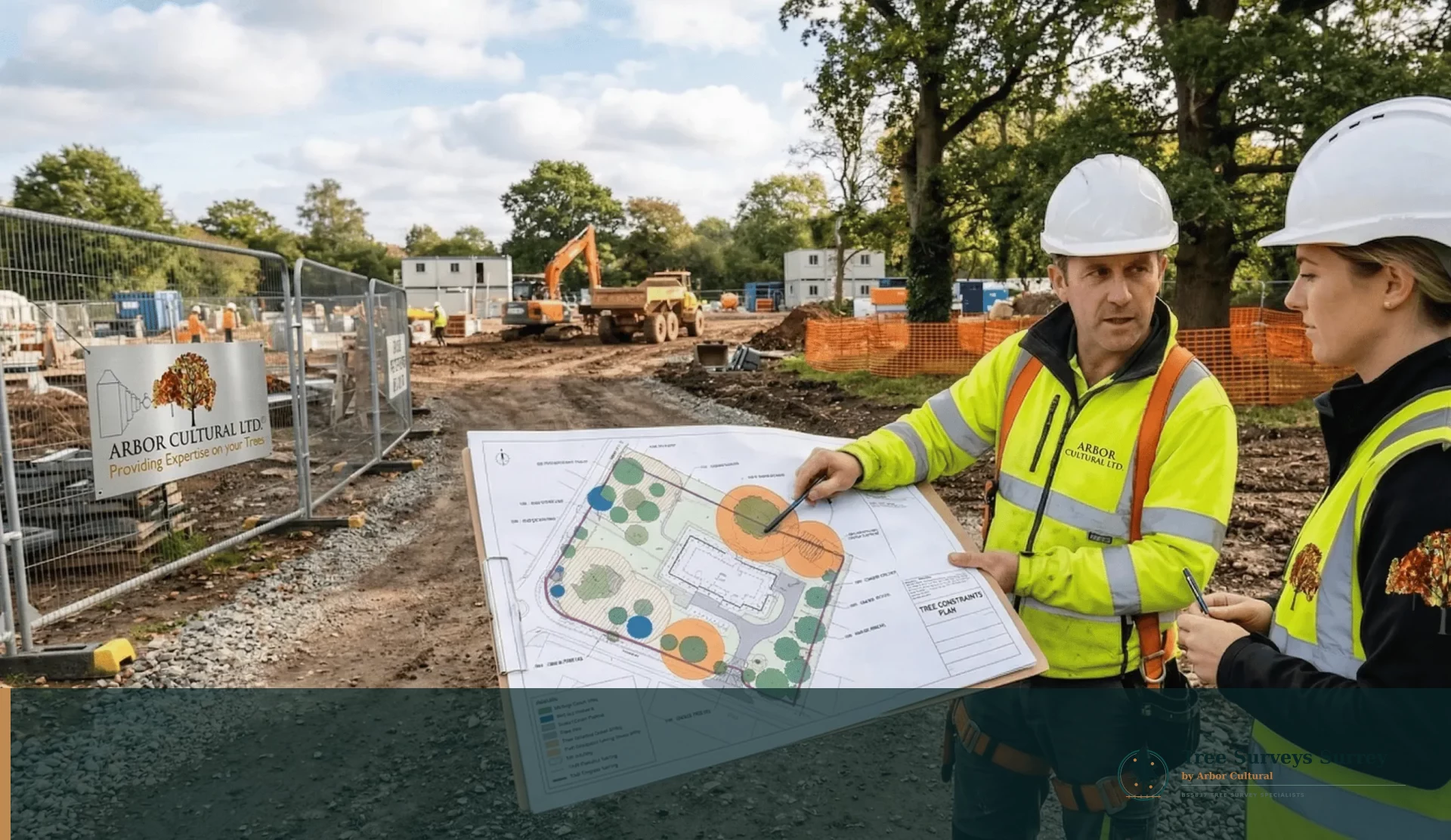
The most useful survey is the one the rest of the project can keep using. Tree references should stay consistent from the schedule and constraints plan through to the AIA, TPP and any site-supervision records.
Send the live plan, topo if available and the council wording. We can establish what needs surveying now and whether the next useful deliverable is a constraints plan, AIA or construction-stage document.
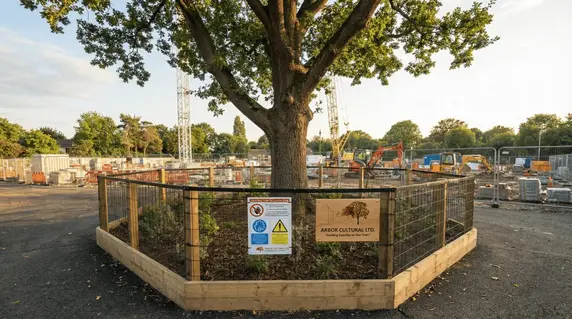
For Virginia Water, mature tree context can be a major part of how a site is designed. Early survey information is therefore valuable before the footprint, access and hard landscape are fully committed.
That continuity makes the planning package easier for the design team to manage and easier for Runnymede to follow.
What should you send before the survey is booked?
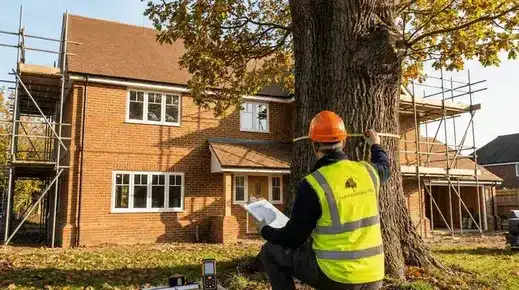
Start with the Virginia Water site address, the latest architectural or site plan and the exact wording from Runnymede, your architect or planning consultant. If a topographical survey exists, include it. If somebody has already prepared a tree report, send that too.
Those documents let us understand the stage of the project before we quote. A client who is still testing feasibility may only need the baseline survey and constraints information. A client with a completed planning layout may need the survey data to move directly into an AIA. A post-permission project may not need a fresh survey at all if the approved information remains suitable.
The aim is to commission the next useful piece of work, not the longest possible package.