
Tree schedule
Species, dimensions, life stage, condition observations and BS5837 categories recorded in a structured schedule.
If planning, your architect or a tree officer has asked for a tree survey, send us the wording. Add the site address and your latest drawing and we can tell you what needs surveying, what the next planning document is likely to be and what the work will cost before you instruct.
No technical wording needed. Send what you have and we will make the survey requirement clear.
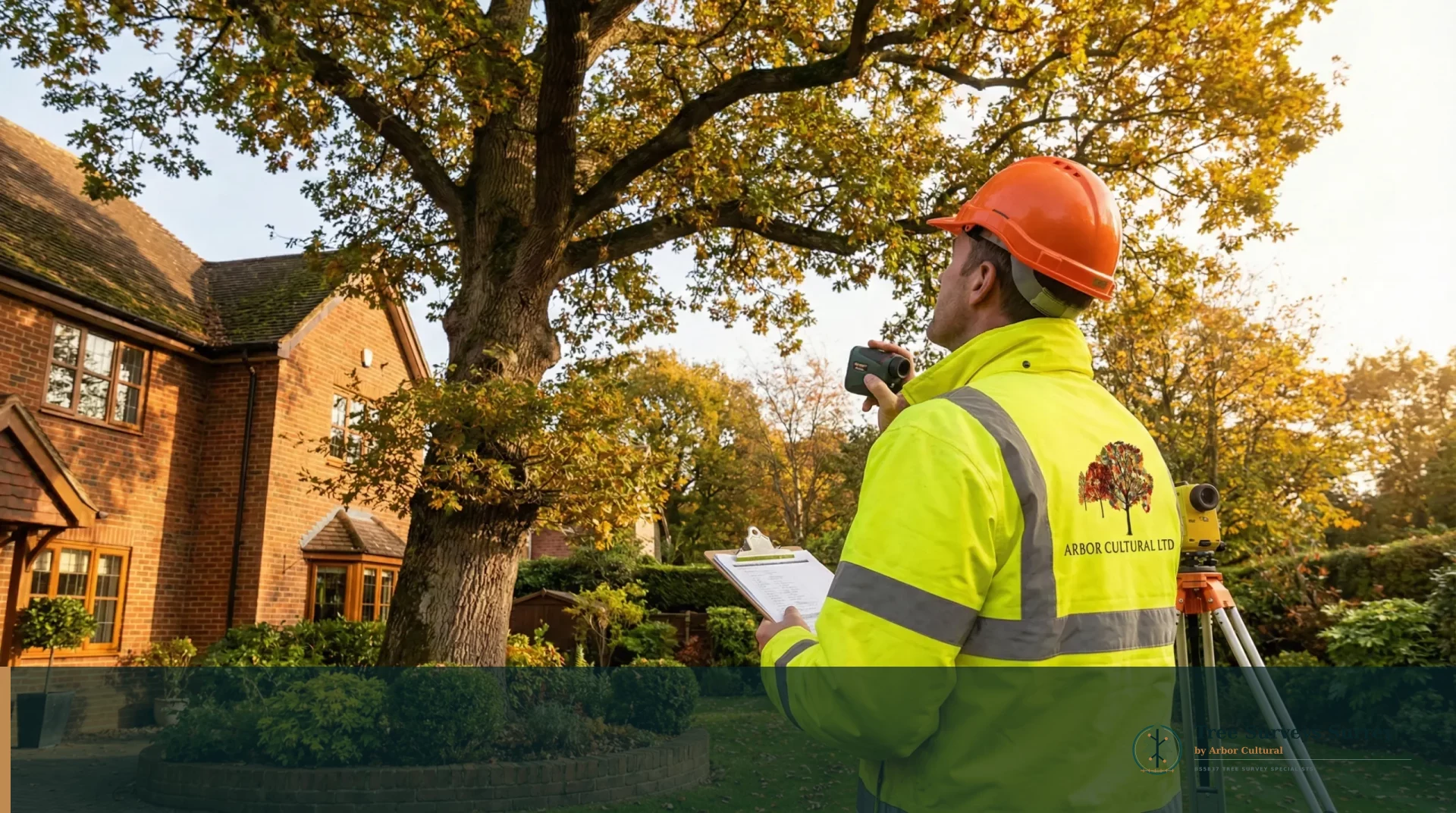
At concept stage, the architect may need a BS5837 Tree Survey and Tree Constraints Plan so the layout can respond to retained trees. At planning submission, the missing document may be an Arboricultural Impact Assessment. After permission, the council may be asking for an Arboricultural Method Statement, Tree Protection Plan or site supervision.
That is why the quote process starts with your actual project information rather than a generic menu. Send the address, the current drawing and the original wording. If you already have a survey or report, attach that too. We will check what can be used and what genuinely needs doing next.
A good BS5837 survey gives the design team a reliable evidence base and keeps the tree information consistent as the project moves from feasibility to submission and construction.
Species, dimensions, life stage, condition observations and BS5837 categories recorded in a structured schedule.
Stem diameters provide the basis for Root Protection Areas so the design team can understand below-ground constraints.
Crown spread and future growth help test separation, access, scaffolding and the long-term relationship with new buildings.
The survey establishes what information can feed into the TCP, AIA and later construction-stage documents.
Use the service pages when you already know the document name. If you do not, send the council wording and we will identify the right stage first.
The site survey that gives your architect and planning team reliable tree data before design decisions become expensive to change.
Explore this service →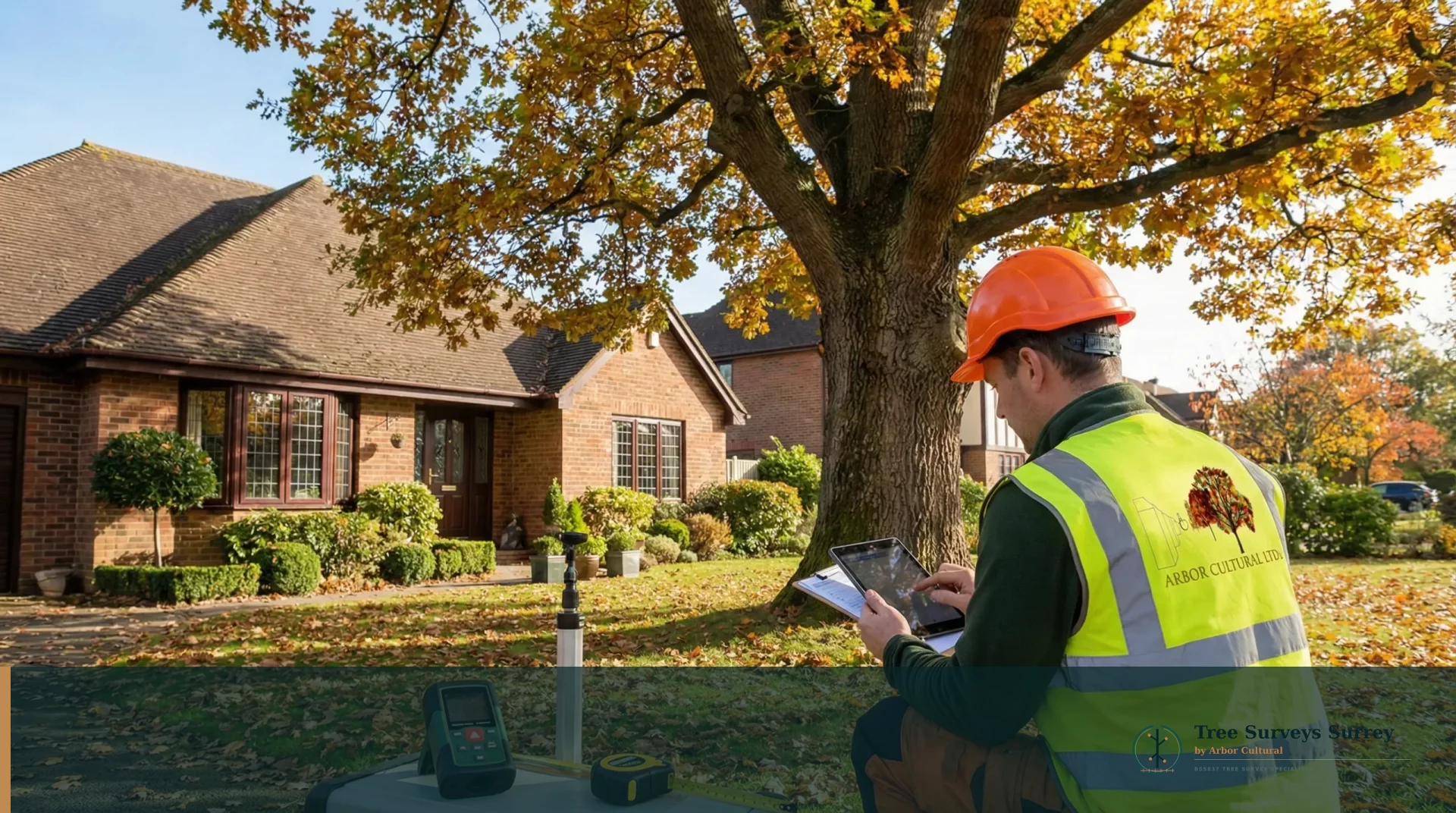
A clear planning document that explains the tree survey, the development context and the arboricultural evidence needed for the application.
Explore this service →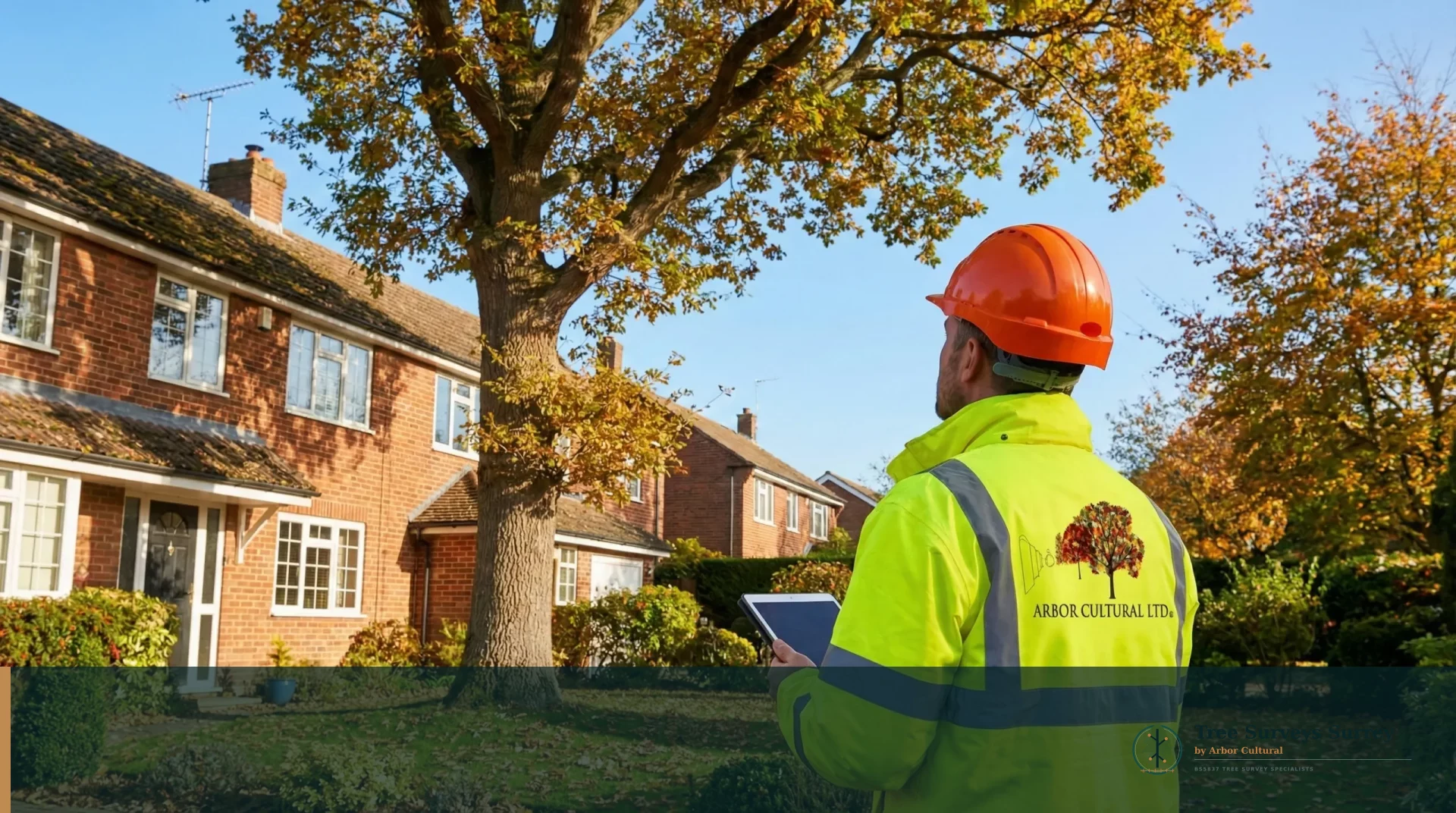
The assessment that tests the proposed layout against retained trees and explains the impacts, mitigation and arboricultural case for the design.
Explore this service →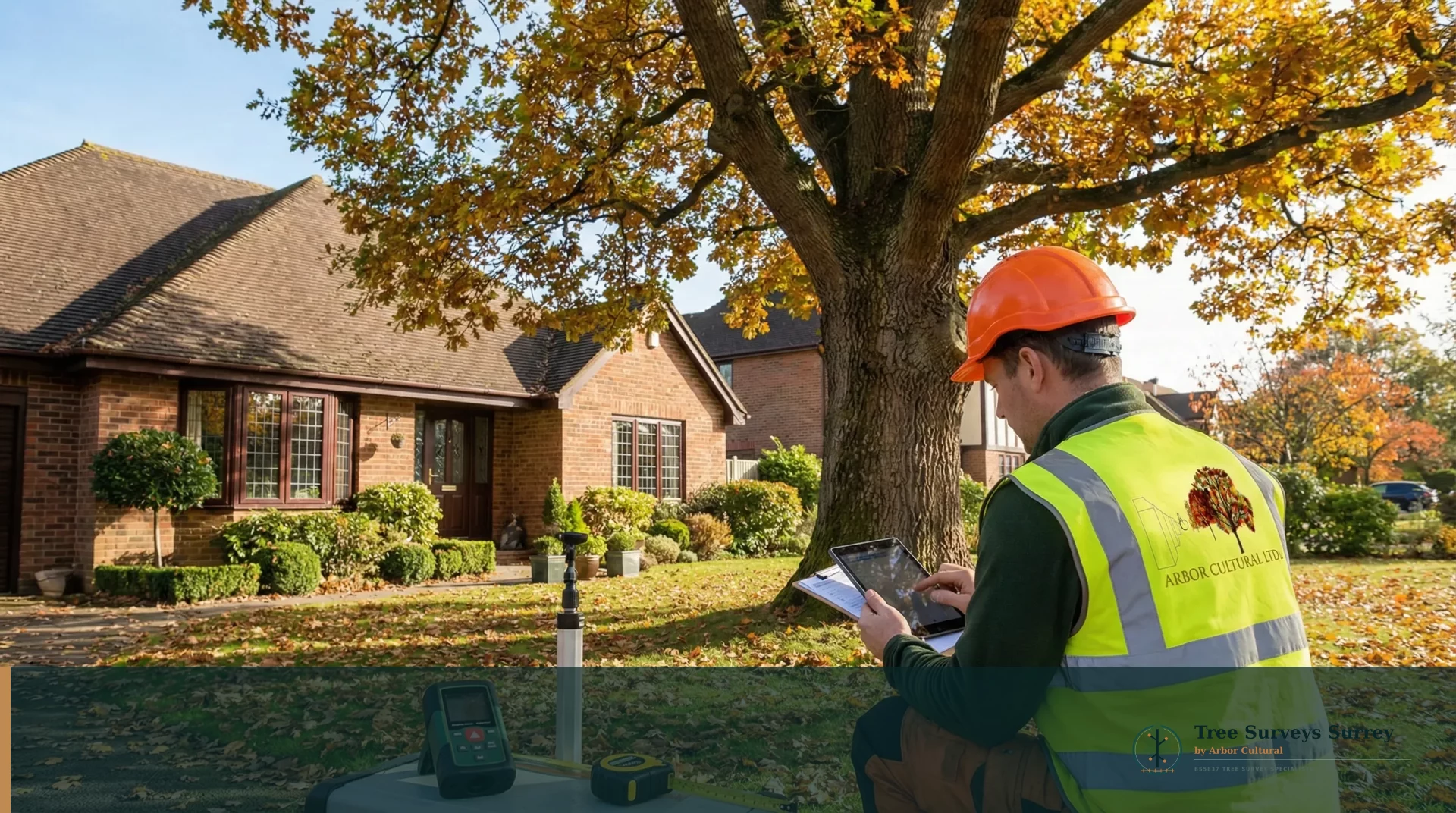
Construction instructions for the parts of the build that need to happen carefully around retained trees.
Explore this service →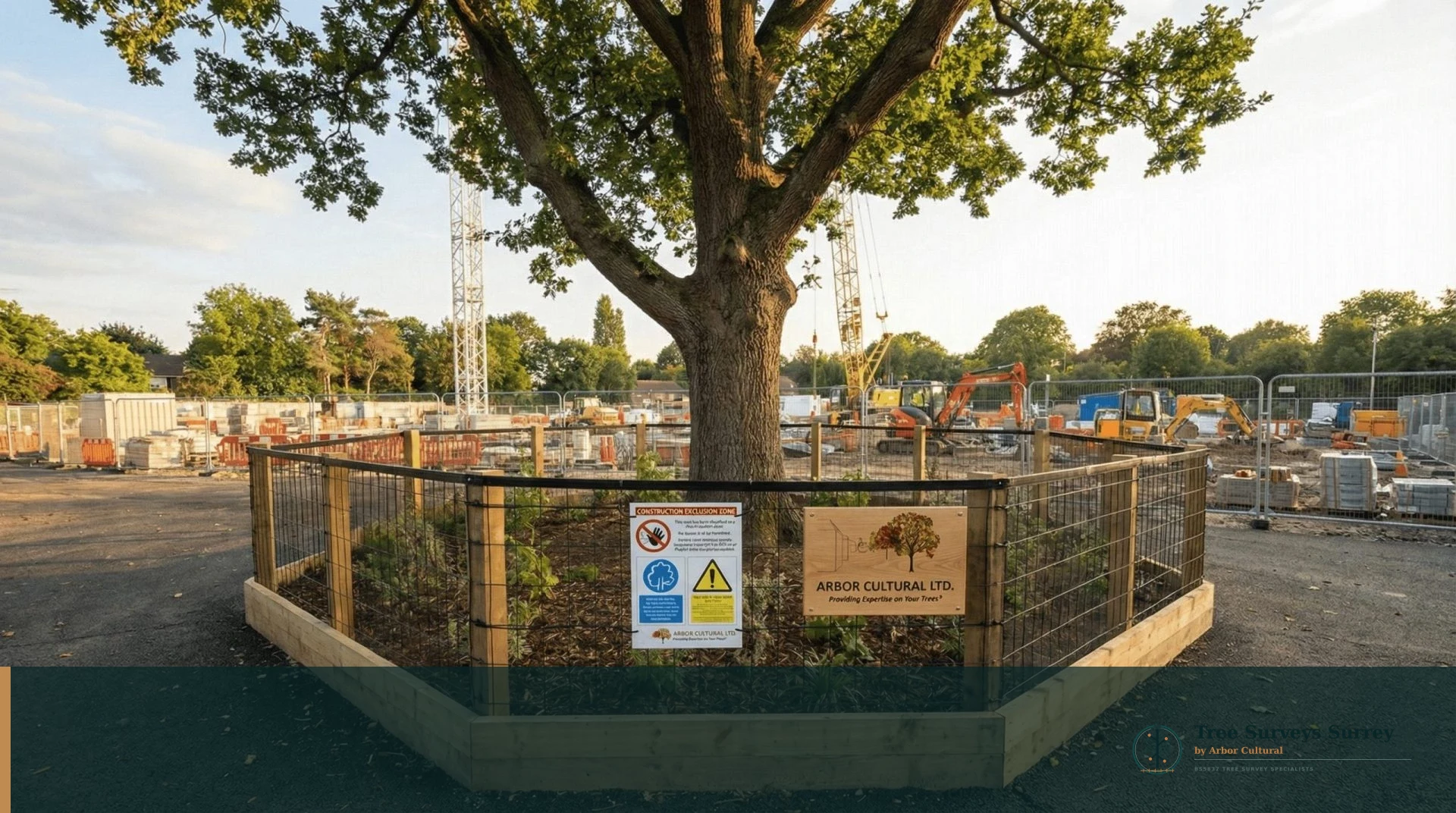
A site drawing showing exactly where retained trees are protected and where construction activity is restricted.
Explore this service →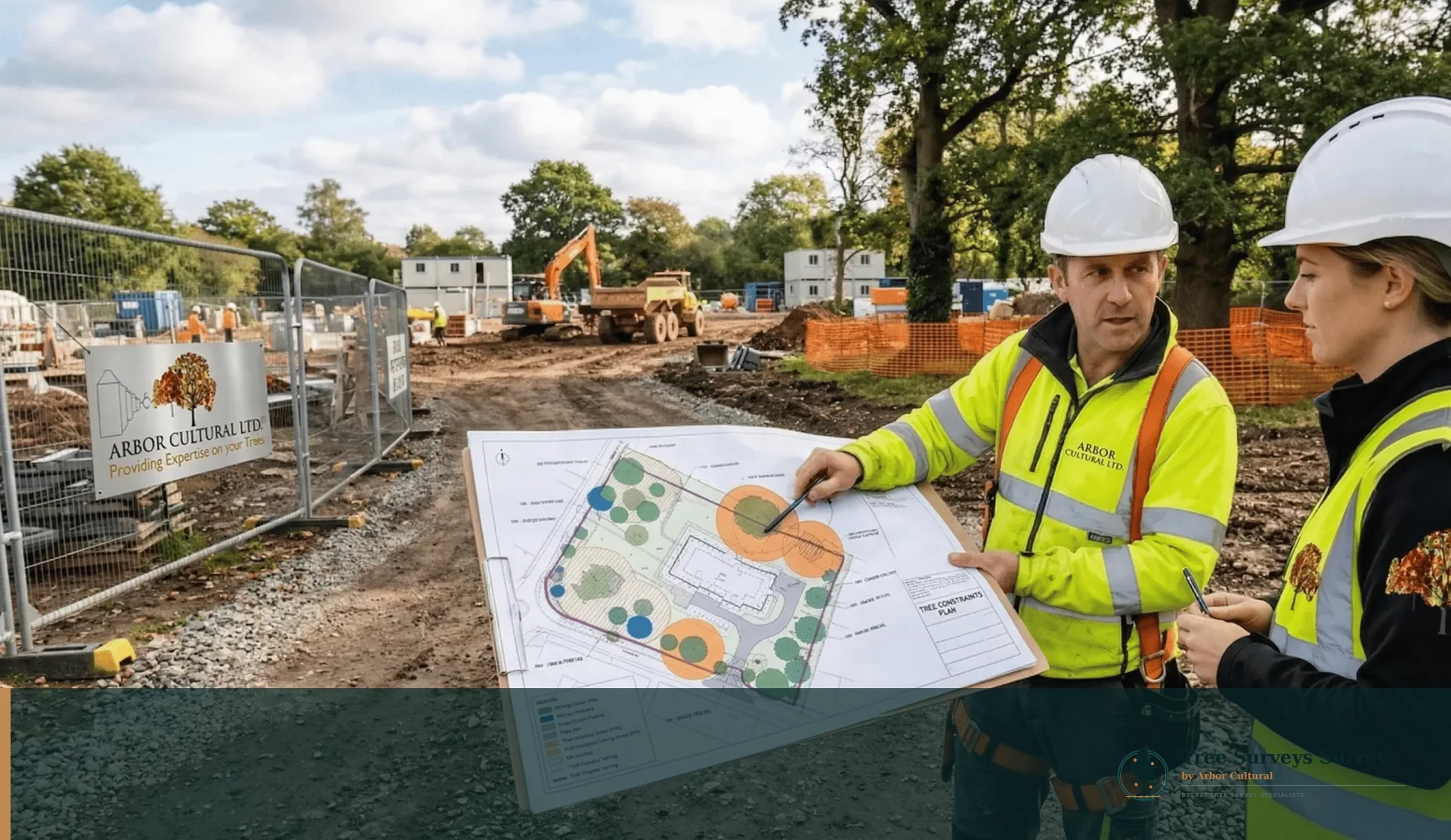
The design-stage plan that shows crowns, Root Protection Areas and tree quality before the development layout is committed.
Explore this service →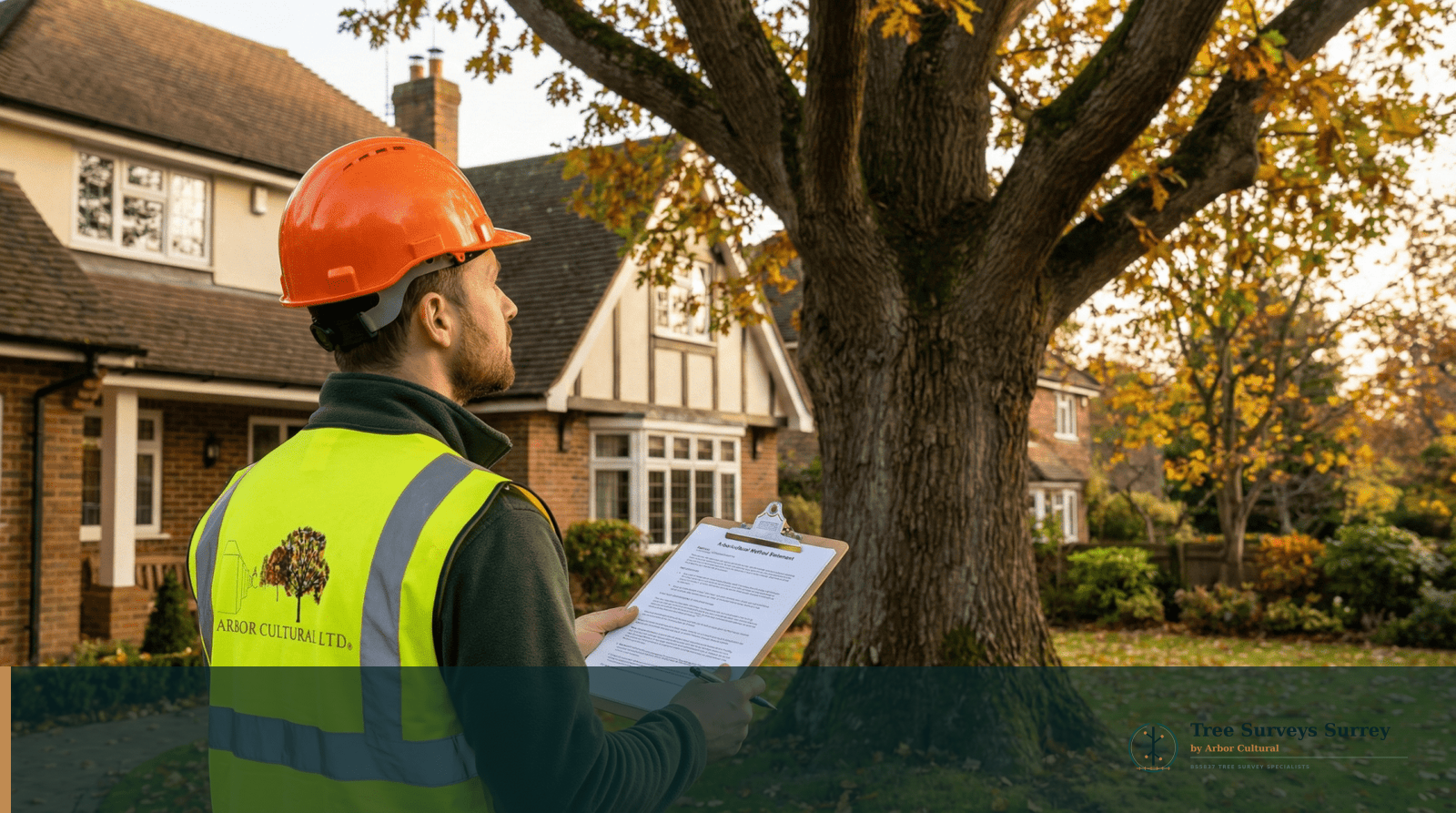
Site attendance and records for the sensitive construction stages that planning conditions or an AMS say need arboricultural oversight.
Explore this service →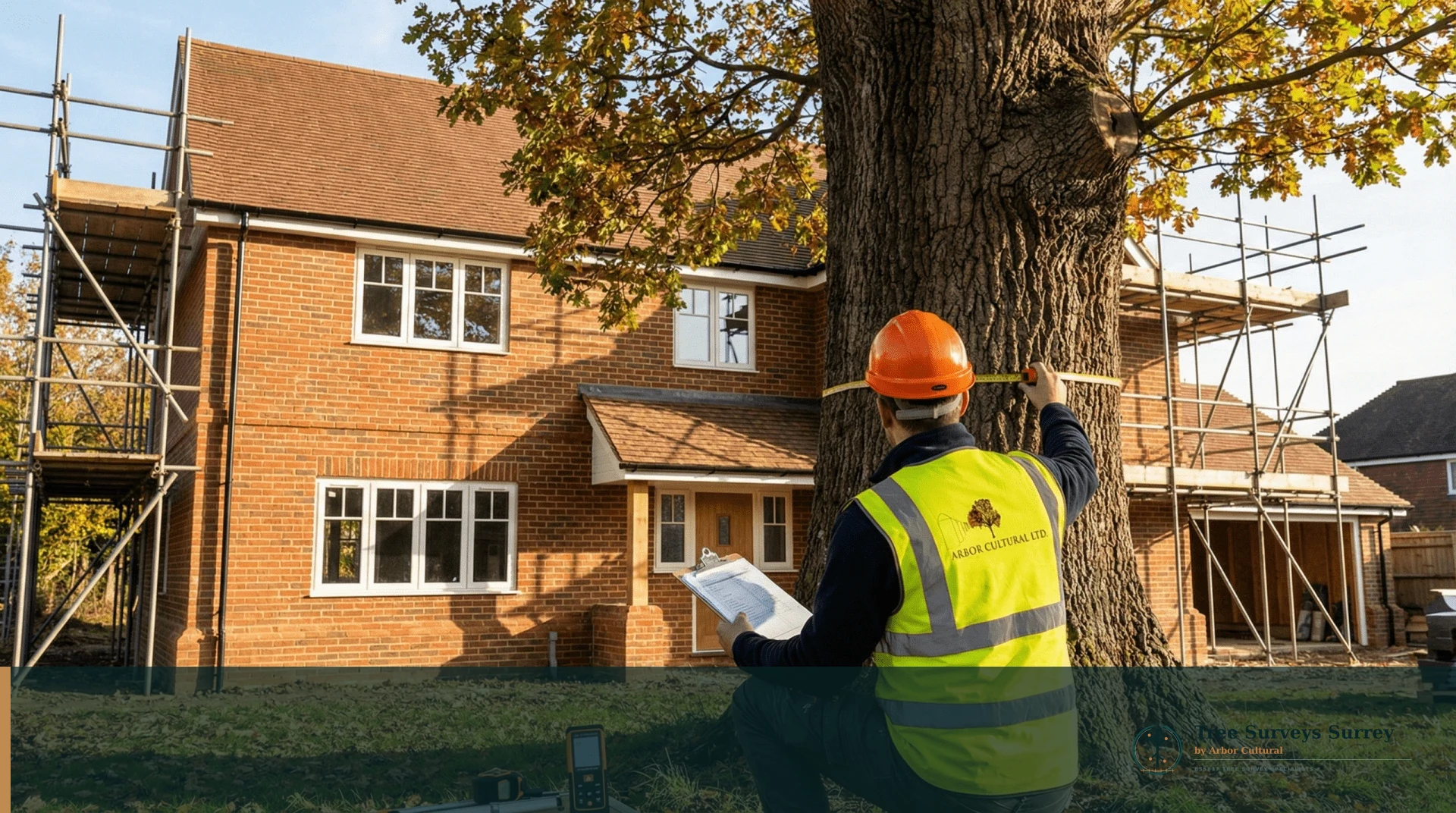
Vegetation information for foundation and structural design where Building Control, an engineer or a warranty provider needs reliable tree data.
Explore this service →When survey information arrives early, the architect can see where mature trees, crowns and Root Protection Areas influence the proposal. That can affect the footprint, parking, driveway, drainage, service routes, levels and construction access. A small adjustment at concept stage can be much simpler than justifying a difficult conflict once the planning layout is fixed.
Where the scheme is already developed, that is not a reason to stop. The survey still provides the baseline for an AIA and helps identify which parts of the design need a stronger technical explanation or a construction methodology.
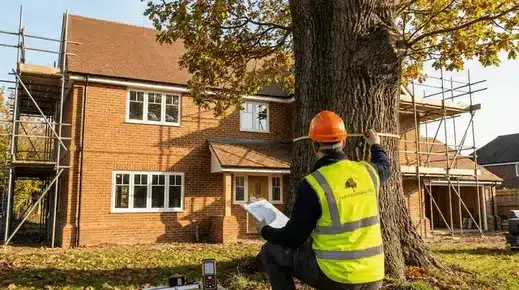
Most clients do not need another lesson in arboricultural terminology. They need to know what to send, what the council is asking for and what the next useful deliverable is.
Forward the council email or architect request. We can translate it into a clear survey/report scope and fixed fee.
Send the live drawing revision and topo. We can coordinate the tree data with the design rather than working from an outdated layout.
Keep the survey base consistent from feasibility through AIA, condition discharge and construction.
When permission is in place, we can help turn the approved tree strategy into practical protection, methods and supervision.
Choose the nearest area to see the relevant Local Planning Authority, what to send with the enquiry and how the survey can feed into constraints, impact assessment and tree protection.
Guildford, Woking, Weybridge, Reigate, Ashtead, Farnham, Epsom, Camberley, Oxted and every local area in the dataset.
If your own council wording is more specific than these general answers, send it with the plans. The project-specific request takes priority.
A development-focused survey that records the trees that can influence a site and provides the evidence base for design, planning and later arboricultural documents.
As early as practical if the design is still flexible. Survey and constraints information can help the architect respond to trees before the main layout is fixed.
No. Send the original wording with the site address and current plans and the requirement can be scoped before you instruct.
The address, latest plan and council or consultant wording. Add a topo, previous tree report and deadline if you have them.
Depending on the project, the next stage can be a Tree Constraints Plan, Arboricultural Impact Assessment, Method Statement, Tree Protection Plan or supervision.
Sometimes. Existing documents should be reviewed against the current site and proposal before repeat work is recommended.
Yes. Building Control or structural surveys can use related vegetation data, but they answer a different regulatory question from BS5837 planning.
We will tell you what tree survey or planning document is needed and provide a clear fixed-fee proposal.